The Paper That Reframed Taurine
Before June 9, 2023, taurine was primarily known to the general public as an ingredient in energy drinks — associated with caffeine, carbonation, and teenage overconsumption. It had a scientific literature spanning cardiac function, exercise performance, and retinal health, but no particular prominence in the longevity field.
Then Singh et al. published "Taurine deficiency as a driver of aging" in Science. The paper — produced by a team led by Vijay Yadav at Columbia University — established that taurine concentration in blood declines dramatically and universally with age across species, that this decline causally drives aging processes across multiple organ systems, and that supplementing taurine in middle-aged mice extended their lifespan by 10–12% while reversing biological age across multiple measured endpoints.
The paper made the front page of major science publications globally, prompted an immediate surge in commercial taurine supplement sales, and initiated what may become a new era in taurine research. For the longevity medicine community, it placed taurine alongside NAD+ precursors, spermidine, and urolithin A as a compound with serious biological plausibility and compelling (if not yet conclusive) evidence.
The Age-Related Decline: 80% From Birth to Old Age
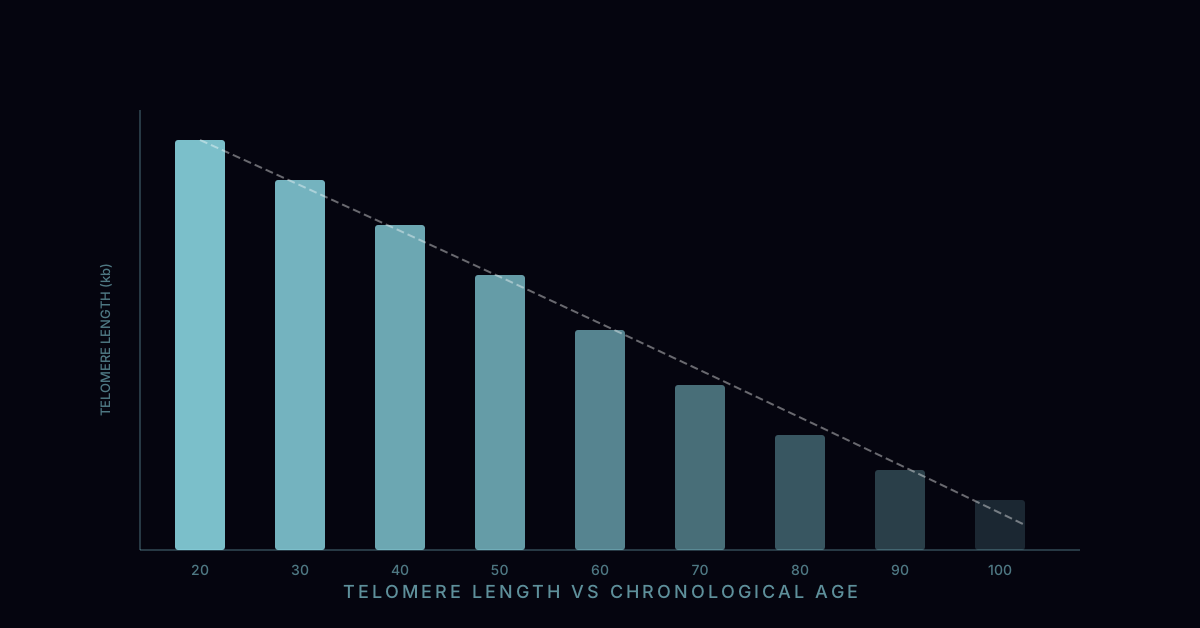
The single most striking finding in the Singh 2023 paper is the magnitude of taurine's age-related decline. Using liquid chromatography-mass spectrometry to measure taurine concentrations in blood from multiple species across age ranges:
- Mice: taurine at 24 months (old age) was approximately 80% lower than at 2–3 months (young adulthood)
- Rhesus macaques: taurine declined approximately 85% from young to old age
- Cynomolgus macaques: similar magnitude of decline
- Humans: taurine levels at approximately age 60 were approximately 30–40% of levels in younger adults (20–30 years), with the steepest decline occurring in middle age
The universality of this decline across species separated by hundreds of millions of years of evolution suggests it reflects a fundamental aspect of aging biology rather than a species-specific metabolic shift. The decline in endogenous taurine synthesis with age — likely reflecting reduced cysteine dioxygenase (CDO) enzyme activity — is the primary driver, not reduced dietary intake (the experimental animals were on consistent diets throughout).
Lifespan Extension and Multi-Organ Rejuvenation
The mouse lifespan results of the Singh 2023 paper are remarkable in their scope. Male mice supplemented with taurine (1g/kg body weight in drinking water) starting at 14 months (equivalent to approximately middle age) showed:
- Median lifespan extended by 10% in males, 12% in females
- Maximum lifespan (90th percentile of survival) extended significantly
- Healthspan improvements preceding and accompanying lifespan extension
The multi-organ phenotypic improvements in old mice given taurine vs untreated age-matched controls were extensive: bone mineral density significantly higher (reducing osteoporosis equivalent); skeletal muscle mass and grip strength significantly greater (countering sarcopenia); fat accumulation in liver significantly reduced; spatial memory significantly better on Morris water maze; glucose tolerance significantly improved; insulin sensitivity enhanced; mitochondrial function in multiple tissues improved (higher respiratory control ratios, less ROS production); cellular senescence markers (SA-β-galactosidase, p16INK4a, p21) significantly reduced in liver, kidney, fat, and skin; DNA damage markers (γH2AX) significantly lower; epigenetic clock biological age significantly younger than chronological age in the taurine group.
This breadth of phenotypic improvement — spanning bone, muscle, fat, liver, brain, and cellular aging markers simultaneously — is extraordinary for a single compound intervention. It suggests taurine is acting on fundamental aging mechanisms rather than on one specific tissue or pathway.
The Mitochondrial tRNA Modification: A Novel Aging Mechanism
One of the paper's mechanistic contributions is establishing a specific molecular pathway through which taurine deficiency impairs mitochondrial function. Mitochondrial DNA encodes 13 proteins (all OXPHOS subunits), 22 tRNAs, and 2 rRNAs. The mitochondrial tRNAs require specific chemical modifications to function correctly — one of the most critical is the modification of the wobble uridine at position 34 (U34) of mitochondrial tRNA-Leu and tRNA-Trp to 5-taurinomethyluridine (τm5U34), which requires taurine as a substrate.
When taurine is deficient, U34 cannot be fully modified, impairing the decoding of UG-ending codons in mitochondrial mRNAs. Since several OXPHOS subunit genes are UG-codon-rich, their translation is specifically impaired. The result is reduced synthesis of key OXPHOS subunits, impaired assembly of mitochondrial respiratory complexes I, III, and IV, reduced electron transport chain efficiency, increased electron leakage, and elevated ROS production — the cascade of mitochondrial dysfunction that drives aging across tissues.
This is not merely an antioxidant effect: taurine deficiency impairs the fundamental machinery of mitochondrial protein synthesis, creating a structural deficiency in the organelles that power cellular life. Supplementing taurine restores U34 modification, restores OXPHOS complex translation and assembly, and normalizes mitochondrial function. This mechanism is distinct from any other longevity compound currently studied and provides a specific, traceable molecular rationale for taurine's aging effects.
Human Observational Evidence and the Okinawa Connection
The Singh paper analyzed human cohort data from NHANES and European studies and found that higher plasma taurine in humans was associated with better metabolic health markers, lower inflammation, lower BMI, better glucose regulation, and lower all-cause mortality — consistent with the experimental findings in other species. These are observational associations, not causal evidence, but the directionality across multiple endpoints and large cohort sizes strengthens the translational argument.
The Okinawa Blue Zone dietary connection to taurine is an often-mentioned but imprecisely quantified hypothesis. Traditional Okinawan diet (pre-Westernization) was characterized by very high consumption of fish and seafood — particularly fatty fish, octopus, and squid — which are among the richest taurine sources in the food supply. Population taurine studies in Okinawa have found substantially higher plasma taurine in elderly Okinawans compared to age-matched Japanese or Western populations, consistent with higher dietary intake from seafood. Whether taurine contributes specifically to Okinawan longevity above and beyond caloric restriction, plant food quality, social cohesion, and other factors is unknown, but the dietary signal is coherent with the mechanistic hypothesis.
Dietary Sources and the Vegan Taurine Gap
Taurine dietary distribution is strikingly non-uniform. Animal products — particularly seafood and meat — are essentially the sole dietary sources:
| Food | Taurine Content (mg/100g) |
|---|---|
| Clams | 240–520 mg |
| Octopus | 370–490 mg |
| Scallops | 180–330 mg |
| Beef (dark meat) | 40–80 mg |
| Chicken (dark meat) | 30–60 mg |
| Egg whites | 10–20 mg |
| Plant foods | <1 mg (negligible) |
Vegans and strict vegetarians obtain essentially no dietary taurine, relying entirely on endogenous synthesis from cysteine. Studies consistently show plasma taurine in vegans is approximately 50–60% lower than omnivores. As endogenous synthesis also declines with age, elderly vegans face a compounded taurine deficiency risk. Taurine supplementation is one of the most evidence-supported nutritional additions for people on vegan diets, alongside creatine, vitamin B12, DHA, and zinc.
Ongoing Human Trials and What to Watch For
Following the June 2023 publication, multiple human clinical trials of taurine supplementation for longevity-related endpoints have been initiated or planned. The primary trials to follow include the Columbia University study (Yadav group) assessing epigenetic clock aging, the Singapore cohort studies examining taurine and cardiometabolic aging, and European studies examining taurine and sarcopenia in older adults.
The primary endpoint of most trials is biological age as measured by DNA methylation clocks (GrimAge, PhenoAge, or DunedinPACE), with secondary endpoints including muscle function, metabolic markers, and inflammation. These trials should report preliminary data in 2025–2027. They are the critical experiments needed to determine whether the dramatic mouse results translate to humans.
For practical supplementation: 2–3 g/day of taurine is the most commonly recommended dose based on allometric scaling considerations and existing human safety literature. Taurine is virtually tasteless (it is the substance that gives energy drinks their slightly bitter, clean taste), inexpensive, stable in water, and has an excellent safety record. It is FDA GRAS and is one of the few longevity supplements where the risk-to-potential-benefit ratio is strongly favorable given the safety profile and the strength of the preclinical evidence.